
Renovation
Historic Neighborhood Renovation Debris Guide
A dumpster and debris guide for renovating older homes in Flint’s historic neighborhoods, including Carriage Town, and Genesee County’s older housing stock generally.
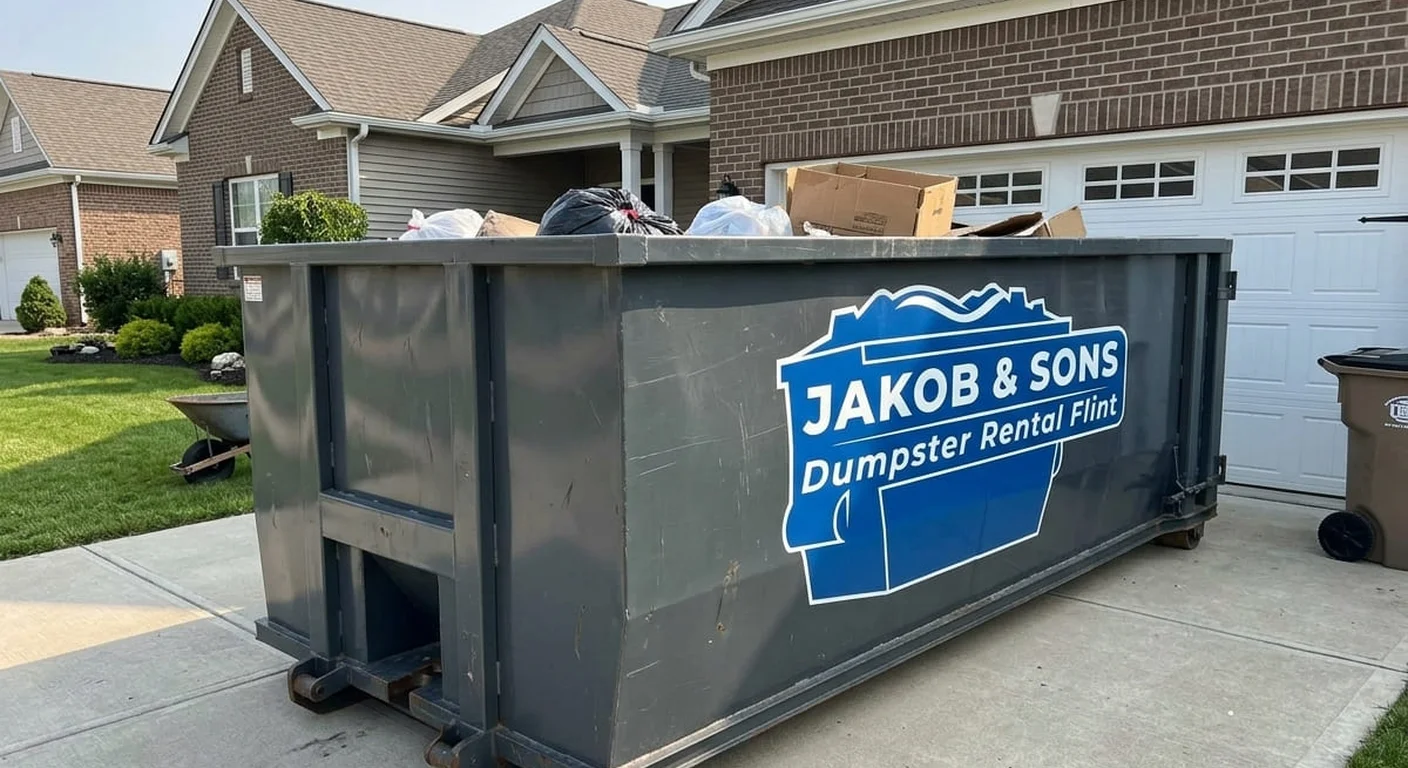
Flint’s older neighborhoods — Carriage Town among the best known, named for the city’s 19th-century carriage-building industry that predated the automobile — carry a genuine mix of well-built historic housing stock and steady renovation activity. Working on an older home comes with its own debris profile, its own access challenges, and sometimes its own review process. Here’s what we tell homeowners and contractors taking on a renovation in one of Flint’s historic or older-platted neighborhoods.
Older homes generate a different debris mix
A century-old house wasn’t built with today’s materials, and that shows up clearly once a renovation starts. Plaster-and-lath walls come out heavier and messier than modern drywall. Old-growth lumber, original trim and vintage hardware are sometimes worth salvaging rather than tossing. Original windows, doors and built-ins can be heavier and more awkward to move than their modern replacements. Budgeting for a denser, bulkier debris mix than a comparable renovation on a newer home is a good habit to build in from the start.
Common historic-renovation debris
- Plaster and lath — heavier and messier than drywall, and it fills a container faster than the same square footage of modern wall material
- Original trim, flooring and millwork — sometimes salvaged, sometimes disposed of if damaged beyond repair
- Old windows and doors — bulky and awkward, especially original wood-frame units
- Foundation and masonry repair debris — many older homes need foundation or chimney work as part of a larger renovation
- Roofing material — older roofs sometimes carry multiple layers of prior tear-offs; see our roofing tear-off sizing guide
Asbestos and older building materials
Homes built well before modern building codes can contain asbestos in flooring, insulation, siding or roofing material. This needs certified abatement handling before demolition or removal, not standard dumpster disposal. If you’re opening up walls or floors in an older home and aren’t sure what you’re dealing with, it’s worth having the material assessed before work continues — see our Michigan disposal rules guide for more on restricted materials generally.
Access on historic streets
Older platted neighborhoods like Carriage Town often have narrower streets, tighter setbacks and less driveway room than newer subdivisions, which affects where a container can sit and how large it can be. We’ll walk the placement with you before delivery on tighter historic lots, and in some cases recommend a smaller container with a faster swap schedule rather than trying to force a size that won’t fit.
Sizing a historic-home renovation
Because older-home debris tends to run denser and heavier per square foot than a comparable newer-home renovation, we often recommend sizing up slightly, or planning for an earlier swap, compared to what the same room count would suggest in a modern house. A single-room renovation that might take a 10 yard in a newer home often does better with a 15 yard once plaster, old trim and original flooring are factored in. Our general sizing guide covers the baseline logic; a quick call describing the home’s age and scope of work gets you a more precise recommendation.
Salvage before disposal
Original hardware, trim, doors, mantels and fixtures from an older home are often worth setting aside for salvage or resale rather than loading straight into the dumpster — both for the value and because Flint’s renovation and infill building community has a real, active interest in reclaimed period materials. Sorting this out before delivery, the same way you would for an estate cleanout, keeps the rental focused on genuine debris.
Working on infill and new construction nearby
Flint’s older neighborhoods also see real infill construction alongside renovation work — new homes built on vacant lots within an established historic street. If your project is new construction rather than a renovation, our new construction cleanup guide covers phased container ordering for that kind of build.
Plan your renovation project
Older homes reward patience and the right container size from the start. Call (810) 275-1545 and tell us about your home’s age, scope of work and street access, and we’ll recommend a size and delivery plan that fits. Explore our residential dumpster rental service or visit our contact page for other ways to reach us.
Need a container in Flint or anywhere in Genesee County? Call (810) 275-1545 and describe the job. We will name the size, the flat rate and a delivery slot — often the same day. No forms, no waiting on an email.