Local Guides
Blight Removal & Vacant Lot Clearing in Genesee County
How we support Flint and Genesee County’s active blight-removal and vacant-lot redevelopment work, and how to size a dumpster for a demolition or lot-clearing project.
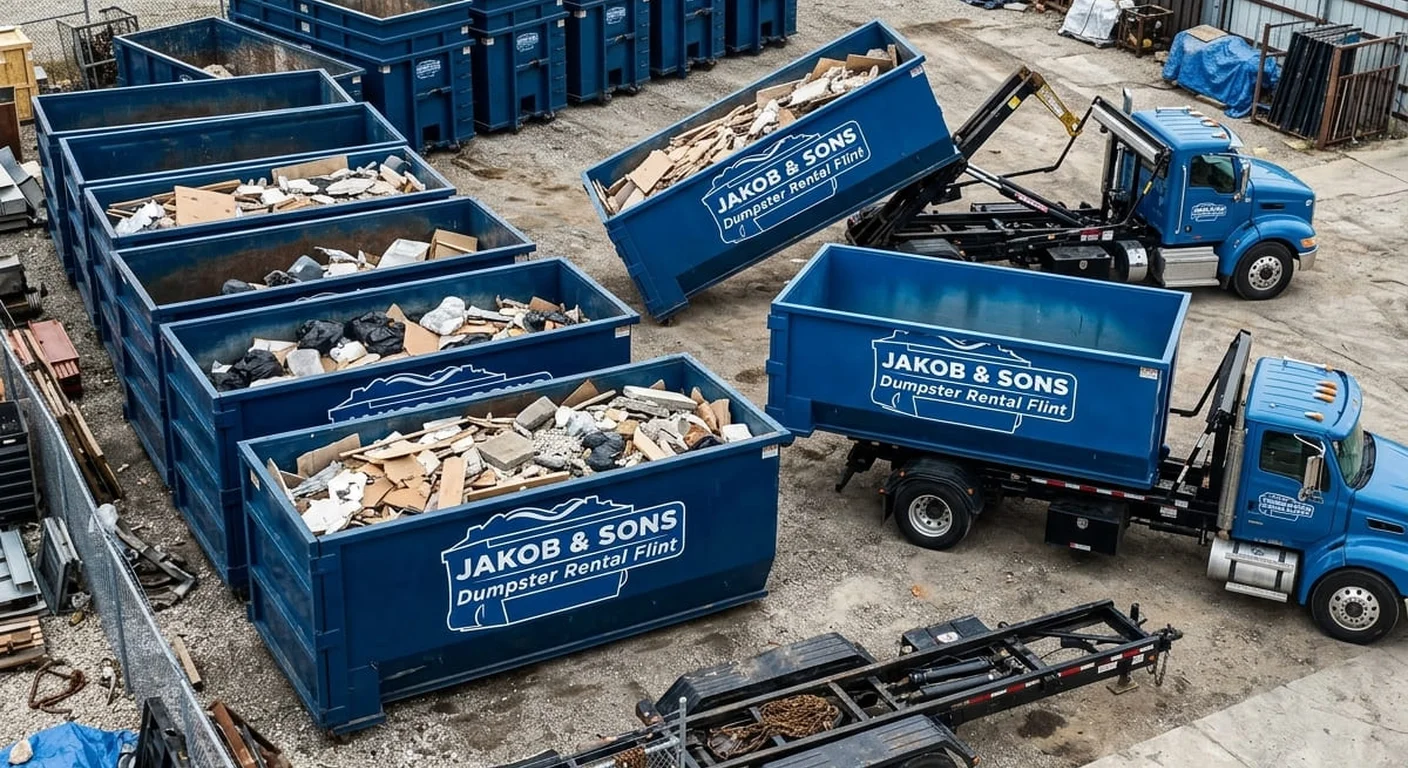
Genesee County has one of the more active, well-organized blight-removal efforts in the state, and it’s work our fleet gets called into regularly — clearing demolition debris, hauling scrap material, and helping property owners, contractors and demolition crews turn a blighted structure or overgrown lot back into a usable parcel. Here’s how that work actually looks from the dumpster side of it, and how to size a project correctly.
A genuinely active local effort
The Genesee County Land Bank Authority runs one of the larger structured blight-removal and vacant-property programs in Michigan, acquiring blighted and tax-foreclosed properties across Flint and Genesee County and working through a large, multi-year pipeline of structures for demolition, stabilization or redevelopment. The City of Flint also runs its own Office of Blight Elimination and Neighborhood Stabilization, focused on the same goal within city limits. Together, these efforts have already cleared well over a thousand blighted structures across the county, with the work continuing. We cite this plainly as what it is: Flint and Genesee County’s active, ongoing neighborhood revitalization and blight-removal effort — a real, positive, long-running local program, not a marketing angle.
What a lot-clearing project typically generates
- Structural demolition debris — framing, siding, roofing and interior material from a full teardown
- Foundation and masonry debris — brick, block and concrete from a foundation or slab removal
- Overgrowth and vegetation — brush, small trees and years of untended growth on a long-vacant lot
- Scrap and salvage material — metal, fixtures and anything else left behind in a vacant structure
- General site debris — accumulated trash, dumped material and anything else that collects on an unmaintained property over time
Sizing a demolition or lot-clearing project
Full structural demolition debris is dense and voluminous at the same time, which usually means our largest containers — the 30 yard or 40 yard dumpster — and often more than one over the course of a project. A vacant-lot clearing job that’s mostly overgrowth and scrap, without a structure coming down, can sometimes work with a smaller container; our sizing guide covers the general decision, but a demolition or lot-clearing job is exactly the kind of project worth a phone call before you book, since the material mix varies so much from site to site.
Working with demolition contractors and property owners
We regularly work directly with demolition contractors, property owners and organizations managing multiple parcels at once, coordinating container delivery and swap schedules around a demolition timeline rather than a single one-off drop. If you’re managing several properties in the same general area — a common situation for both private redevelopment and organized blight-removal work — a standing arrangement across sites is usually simpler than booking each one separately. Tell us the scope when you call and we’ll set it up.
What can’t go in the container
Demolition debris sometimes includes materials that need separate handling rather than standard dumpster disposal — asbestos-containing material in particular is common in older structures and requires certified abatement before anything comes down, not standard debris disposal. Our Michigan disposal rules guide covers the full list of restricted materials, and Michigan EGLE (Dept. of Environment, Great Lakes, and Energy) is the right resource for questions specific to a demolition project.
Permits for demolition and clearing work
Demolition and larger lot-clearing projects often carry their own permitting requirements from the local city or township, separate from any dumpster placement permit. Our permits and placement guide covers dumpster-specific placement rules; a demolition permit itself needs to come from the property’s local government, and we’re happy to help point you toward the right office when we quote the job.
Book a container for your project
Whether you’re a contractor working a demolition schedule or a property owner clearing an overgrown lot, call (810) 275-1545 to talk through the scope and get a flat-rate quote, or explore our construction dumpster rental service for more detail. Our contact page has other ways to reach our team.
Need a container in Flint or anywhere in Genesee County? Call (810) 275-1545 and describe the job. We will name the size, the flat rate and a delivery slot — often the same day. No forms, no waiting on an email.